China's AI doctrine is a challenge for Europe
Le Monde, July 22, 2026
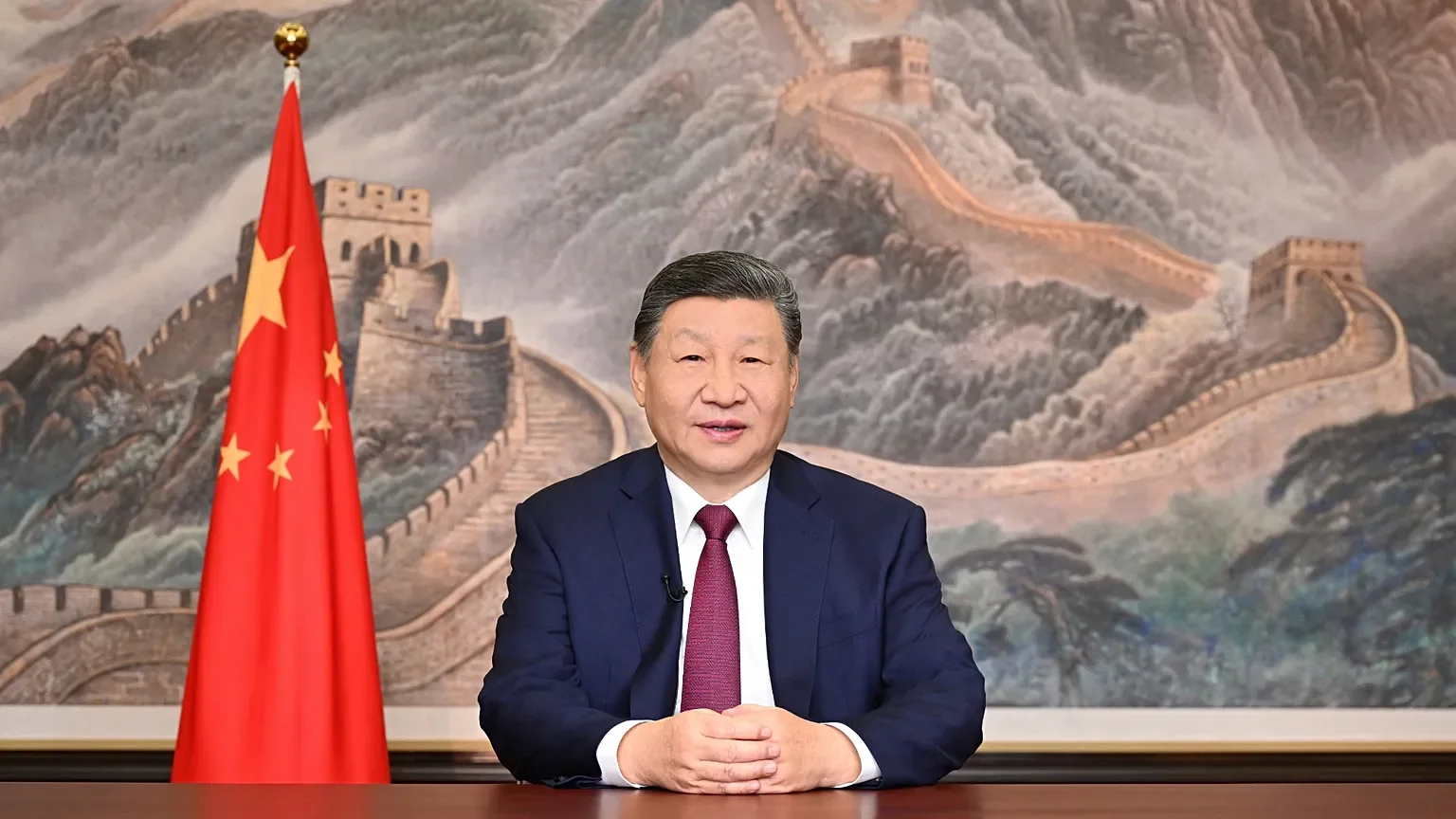
When it comes to artificial intelligence (AI), the future is never set in stone. So far, the prevailing view has been that the US holds a decisive technological lead, China is playing catch-up and Europe tries to rein in excesses through regulation. The World Conference in Shanghai on July 17 disrupted that narrative. Chinese President Xi Jinping did not simply acknowledge China's progress; he presented a doctrine for organizing AI that could reshape the global technological balance of power.
Acting as the spokesperson for a "symphony of international cooperation," the Chinese president showcased his country's corporate advances as the hallmark of a larger political project. Behind promises of open, affordable and accessible AI for developing countries, Beijing is seeking to impose its own vision of digital governance. The demonstration went beyond rhetoric. Representatives from 29 countries signed the founding document for a World AI Cooperation Organization, which will be headquartered in Shanghai.
China is following a well-tested strategy. As with solar panels, batteries or electric vehicles, it does not necessarily aim to produce the most advanced technology, but rather the most accessible. Models developed by DeepSeek, Moonshot or Zhipu AI offer performance close to that of American leaders, but at vastly lower costs. For much of the world, this balance of quality and price is likely to outweigh marginal gains in absolute performance.
